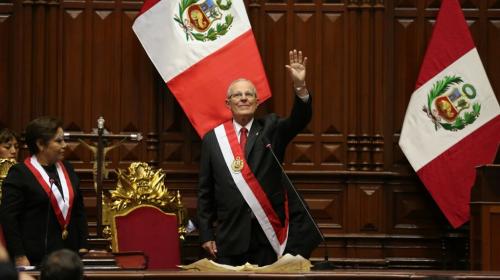
President Pedro Kuczynski
January 30, 2018
The relative political stability that has facilitated Peru’s sustained growth is now under serious threat, write Jane Jaquette and Abraham Lowenthal.


President Pedro Kuczynski
The relative political stability that has facilitated Peru’s sustained growth is now under serious threat, write Jane Jaquette and Abraham Lowenthal.
This week, the World Economic Forum in Davos, Switzerland, kicks off; 11 countries reach an agreement on a new Trans-Pacific Partnership trade deal; Tokyo conducts its first missile attack drill since the end of World War II; and more
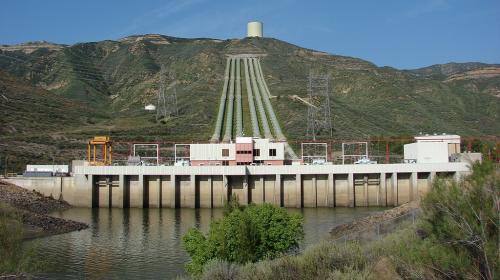
California Water Project
California must look for solutions to its water crisis that do not result in another series of "water wars," writes Maria Mehranian.

The current administration's persistent neglect of Africa constitutes nothing less than foreign policy malpractice, writes Grant Harris.
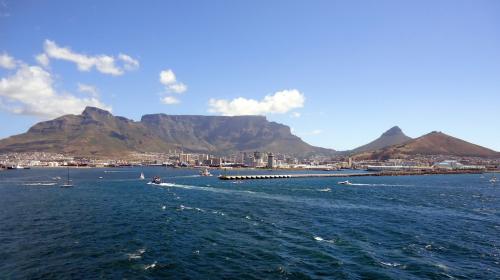
This week, an extreme drought causes Cape Town to drastically cut down on its water use; North and South Korea agree to march under a common flag in next month’s Winter Olympics; Saudi Arabia injects $2 billion into Yemen’s central bank; and more.
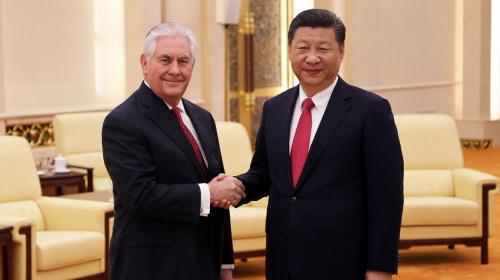
The United States needs an additional layer of strategy to accompany the North Korean sanctions—one strategy that changes China’s calculation of the costs and benefits of permitting the North Korean regime to continue to pursue its present course, writes Daniel Kolkey.

As the birthplace of the internet and the home of ICANN, it is vital that individuals, businesses, and organizations in Los Angeles be involved in the internet governance community in order to ensure the continued growth of the digital economy, writes Christopher Mondini.
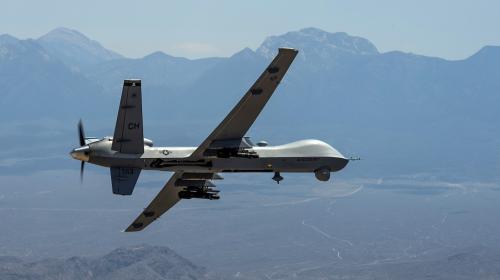
This week, 13 drones attack two Russian military bases in western Syria; Zambia plans to vaccinate 1 million of its citizens to protect against cholera amid a new outbreak; ELN rebels resume attacks in Colombia after a ceasefire ends; and more.
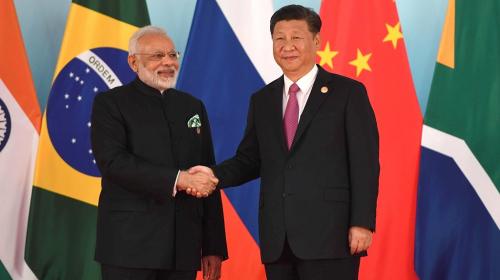
The United States and India have an opportunity to co-define and co-implement a geo-economic vision for the Indo-Pacific based on shared values of freedom and transparency, but formidable obstacles—such as China's "One Belt, One Road" initiative, remain, write Manpreet Singh Anand and Daniel Kliman.
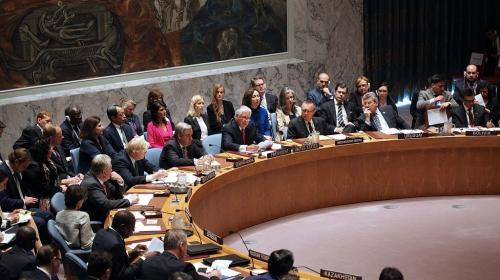
Convincing African countries to truly isolate North Korea would require diplomatic prowess that the United States currently lacks, writes Grant Harris.