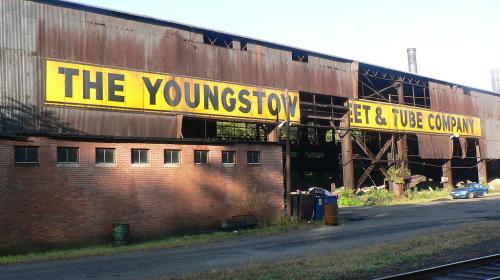
Abandoned steel factory
March 9, 2018
This week, President Trump introduces tariffs on aluminum and steel; Italy elects an entirely new government; the crisis in Syria continues; and more.


Abandoned steel factory
This week, President Trump introduces tariffs on aluminum and steel; Italy elects an entirely new government; the crisis in Syria continues; and more.
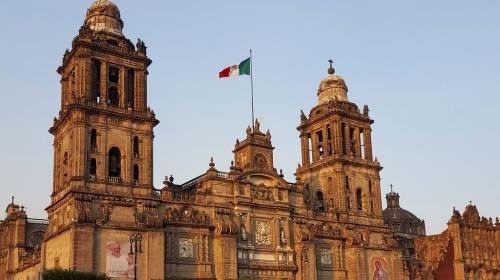
After two years on the job, U.S. Ambassador to Mexico Roberta Jacobson has announced that she will retire in May, but Pamela K. Starr writes that the bilateral relationship will survive Jacobson's departure.

Americans must once again turn our focus toward finding solutions together as a nation so we can reinvigorate that uniquely American sense of possibility, writes Kenneth Wun.
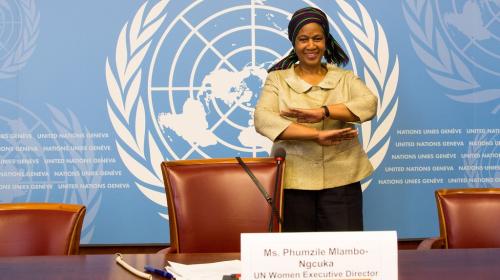
Our work is cut out for us in the foreign policy sector to invest in ways to make this a field where women will thrive and rise to the top, writes Jennifer Faust.
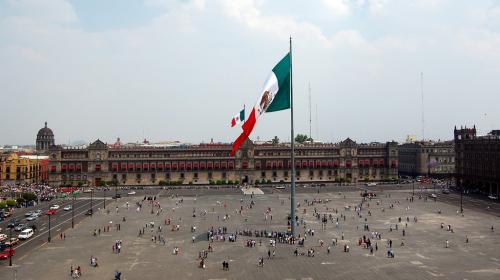
Angelenos know that the vitality of our economy is predicated on our relationship with the rest of the world. One of our most important global partners is our neighbor and longtime collaborator, Mexico, writes Stephen Cheung.
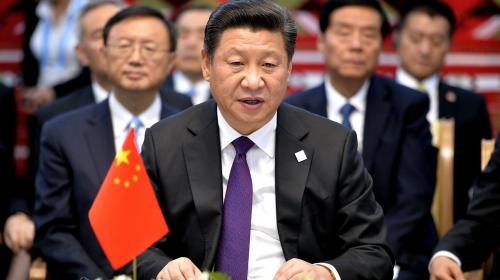
This week, China removes presidential term limits; Syrian humanitarian truce doesn’t stop civilian casualties; U.S. intelligence officials announce that seven U.S. states had their election systems hacked by Russia in 2016; and more.
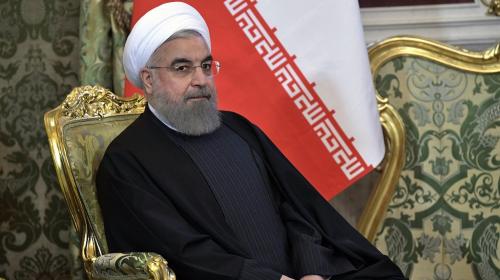
Until the United States has a genuine set of clear policy expectations for Iran as well as for the rest of the Middle East, it will continue to flail as it has for the past year, writes Jerry Green.
Thank you for submitting your payment!
The United States should thoroughly investigate any signs that Beijing may be attempting to ease up on its enforcement of sanctions against North Korea, writes Derek Grossman.