this is for staff to charge payments for the Japan trip
May 23, 2018
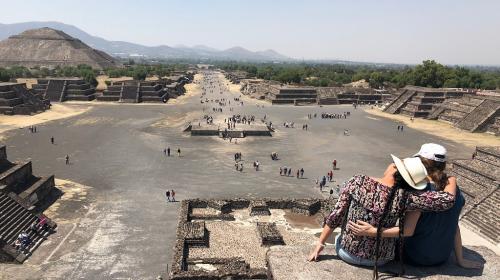
In April, a special delegation of emerging leaders from the Pacific Council community traveled to Mexico City for discussions with government officials, civil society leaders, and more on strengthening the U.S.-Mexico relationship. Read about their top takeaways.
May 24, 2018
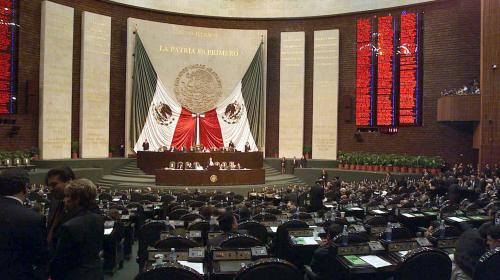
What Mexico needs is a new regime based on effective checks and balances, duly ingrained constitutional balances, transparency, the rule of law, and broad rights and protections for the citizenry, writes Luis Rubio.
May 15, 2018
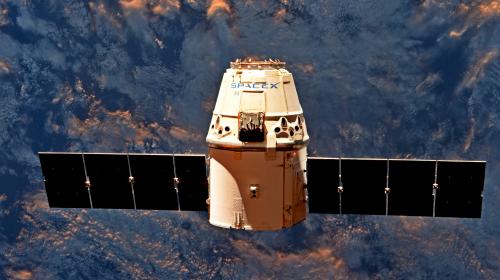
Considering the advancements in communication and transportation technologies, the evolving global roles of cities should be watched closely, writes Sohaela Amiri.
May 22, 2018
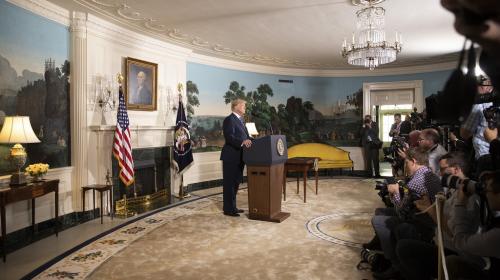
The reasons delineated by the Trump administration for withdrawing from the Iran deal fail to convince that sound judgment based on discernible facts went into this decision, writes Karen Richardson.
May 18, 2018
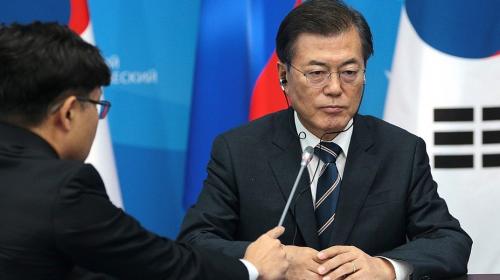
This week, North Korea cancels talks with South Korea; protests erupt on the Gaza-Israel border; Kenya passes a controversial “fake news” law; and more.
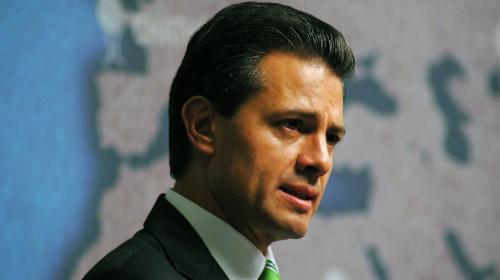
President Peña Nieto
May 21, 2018
The fate of the NAFTA renegotiations is looking quite grim, writes Michael Camuñez.
April 19, 2018
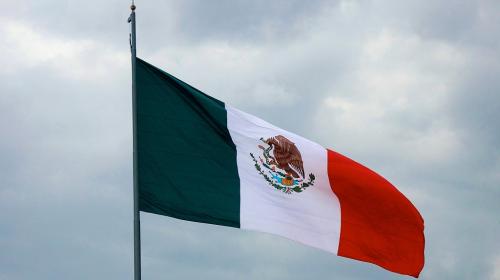
U.S.-Mexico relations hit a new low following President Trump's order to send National Guard troops to the border, the future of the NAFTA negotiations remain uncertain, Mexico's presidential election season officially kicked off, and more insights from Michael C. Camuñez.
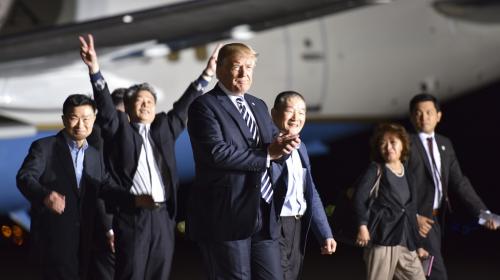
May 11, 2018
This week, North Korea frees three U.S. citizens in its custody; President Trump pulls the United States out of the Iran nuclear deal; the Pentagon releases a report detailing failures that led to the deaths of four U.S. soldiers in Niger; and more.

May 15, 2018
U.S. trade negotiators should keep an open mind as they engage with their Chinese counterparts this week, write Michael Santoro and Robert Shanklin.