February 23, 2018
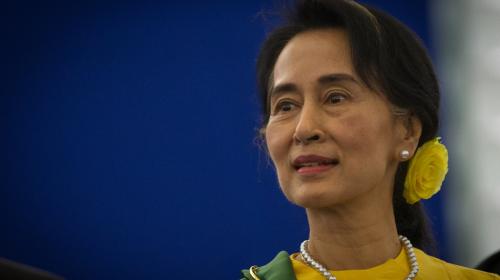
This week, the EU issues new sanctions on Myanmar generals; Russian mercenaries are dying in Syria; Pakistan remains off the list of terror financiers for now; and more.


This week, the EU issues new sanctions on Myanmar generals; Russian mercenaries are dying in Syria; Pakistan remains off the list of terror financiers for now; and more.
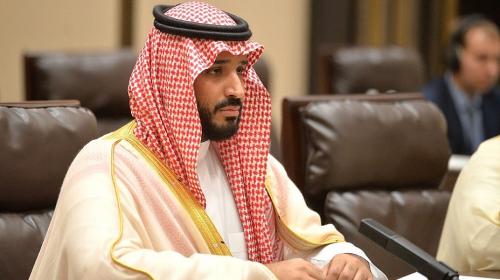
If Saudi Arabia’s transformation is to be executed successfully, policy makers, businesses, and foreign investors will have to navigate indicators, signals, and challenges to reach milestones along the way, writes Alexander Damianou.
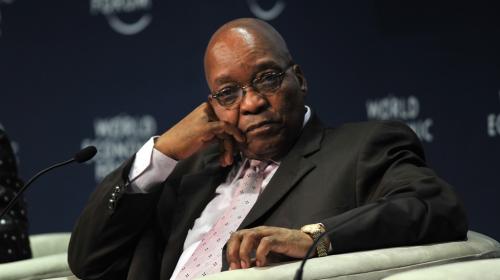
This week, Jacob Zuma resigns as president of South Africa; the civil war in Syria escalates; the U.S. intelligence community braces for Russian hacking in the 2018 midterms; and more.
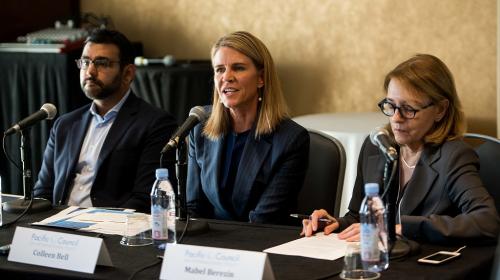
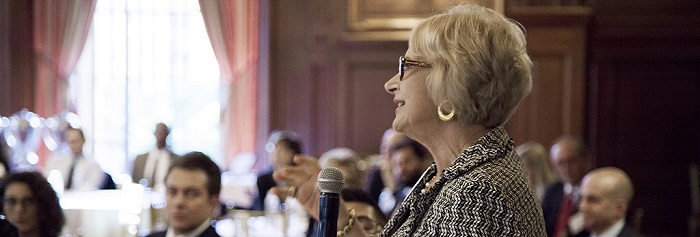
Global, diverse boards are the future for any company or organization that wants to maintain a competitive advantage, writes Susan Shultz.
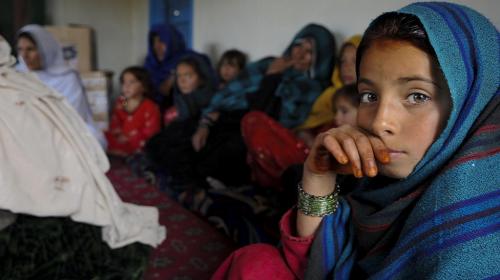
Fewer than half of Afghan women believe that peace with the Taliban is possible, according to a new Asia Foundation survey, writes Mohammad Shoaib Haidary.

This week, a North Korean delegation arrives in South Korea for the Olympics; Mexican journalists flee for their lives; the war in Syria intensifies; and more.
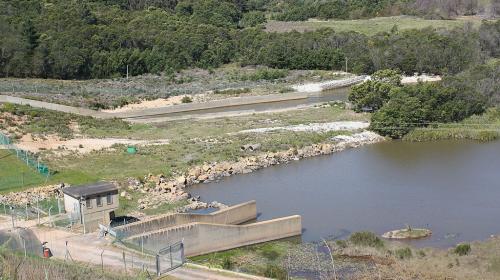
Theewaterskloof Dam
Experiences in California, as in Cape Town, demonstrate that the status quo is unsustainable. There is a need for a radical rethink of our relationship with water, writes Sarah Sieloff.
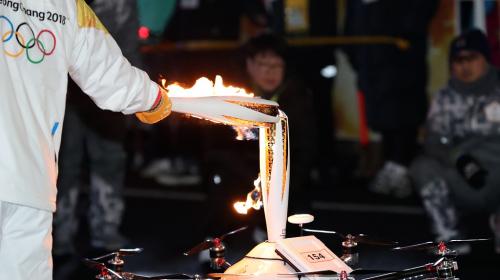
Republic of Korea
The Olympics brought the two Koreas together, and any talks that occur on the Korean Peninsula are the direct result of Olympic diplomacy, writes Robert Dunbar.
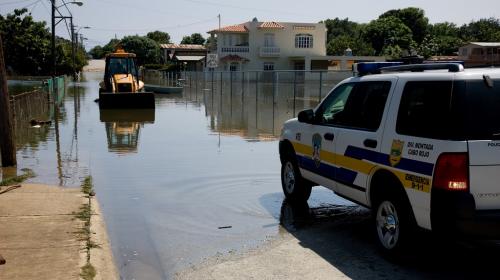
This week, Puerto Rico is still in need of FEMA assistance; the United Kingdom and China are looking to make a post-Brexit trade deal; Cape Town imposes firmer restrictions on water use; and more.
Justin Chapman
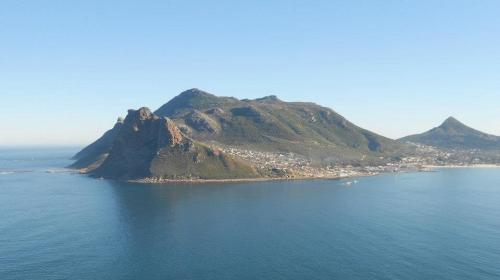
Cities must start planning ahead in order to avoid catastrophic water crises like the one now facing Cape Town, South Africa, writes Rachel Cardone.