July 26, 2018
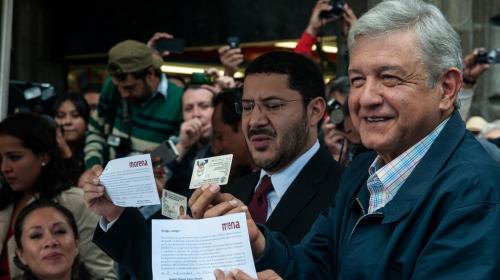
The question for Mexican President-elect AMLO is whether he will use his political skills to carry out profound structural changes to economic growth or reinforce Mexico’s old authoritarian system, writes Luis Rubio.


The question for Mexican President-elect AMLO is whether he will use his political skills to carry out profound structural changes to economic growth or reinforce Mexico’s old authoritarian system, writes Luis Rubio.
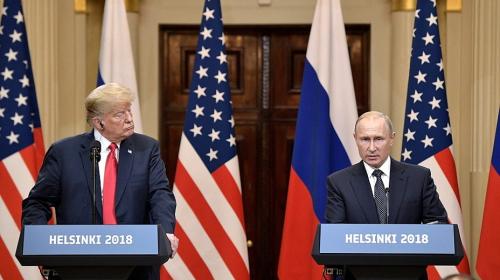
This week, Presidents Trump and Putin hold a controversial summit in Helsinki; ISIL may be attempting resurgence in Iraq and Afghanistan; Japan and the EU sign a trade deal; and more.
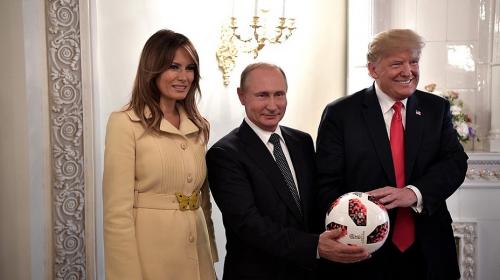
Despite widespread outrage over President Trump’s performance at his summit with President Putin in Helsinki, Trump’s gambit is so far winning with his political base, writes DJ Peterson.
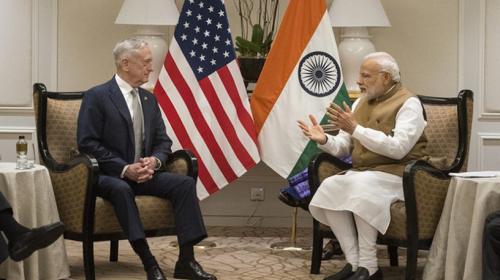
Asia is ready for India to step up as the United States withdraws, write Atman Trivedi and Amy Searight.
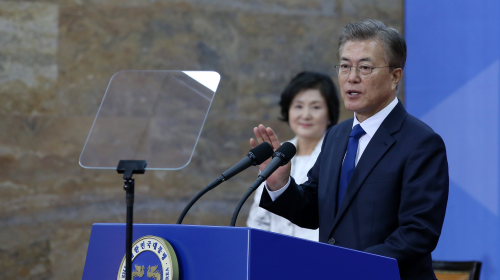
Washington and Seoul should continue to strive for transparent and routine discussions with North Korea about the future of the peninsula to avoid any misunderstandings, writes Derek Grossman following his recent visit to South Korea.
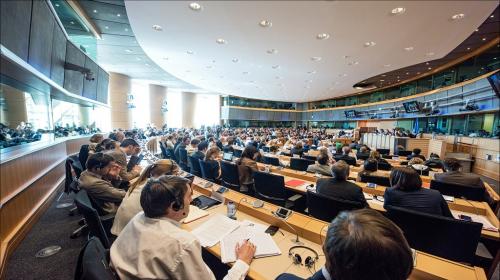
California will now be a major home to international arbitration following the passage of recent legislation, write Michael C. Kelley, Richard Chernick, and Howard B. Miller.
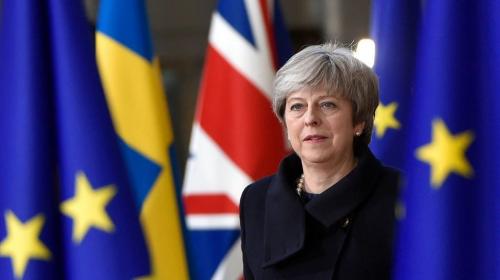
This week, resignations from the UK government imperil Brexit talks; Mexican President-elect AMLO announces a new border force; Ethiopia and Eritrea declare an end to war after 20 years of conflict; and more.
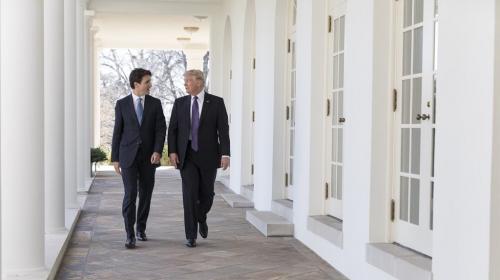
While international attention focused on Trump’s disruptive behavior at the NATO Alliance Summit, Trudeau used NATO to try and bring stability to Iraq, writes Ibrahim Al-Marashi.
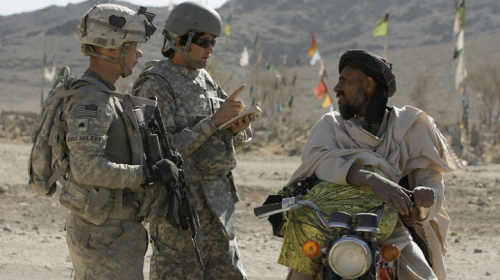
Pacific Council member Steve Miska has launched a project to Strategically Protect Soft Networks (SPSN), in conjunction with the Pacific Council on International Policy, to research and recommend policies to protect U.S. allies in conflict zones.
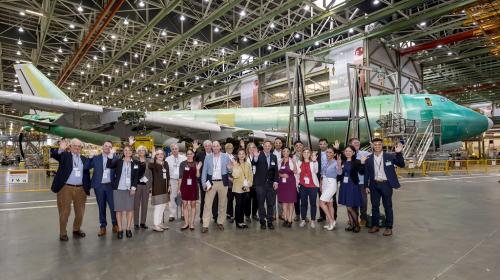
A delegation of Pacific Council members recently traveled to Seattle, Washington, to explore global policy at the nexus of business, national security, and innovation. Read about their key takeaways.