
October 4, 2018
Relations between the United States and Iran can improve but will not get better so long as innocent Americans are held hostage, writes Robert C. O’Brien.


Relations between the United States and Iran can improve but will not get better so long as innocent Americans are held hostage, writes Robert C. O’Brien.

To get the Guantánamo cases to trial, Congress should implement two pragmatic, nonpolitical measures: federal judges should be sent to GTMO and those judges should be given expanded powers, writes Robert C. Bonner.

Statues of comfort women—monuments to Korean women who were forced into sex slavery by the Japanese army in World War II—continue to be a controversial topic between the Korean and Japanese communities, writes Mikayla Bean.
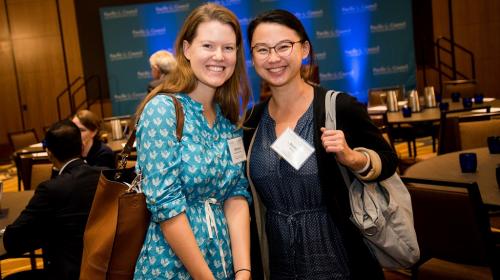
Our Pay It Forward Annual Giving campaign is integral in helping the Pacific Council create new programming and opportunities for emerging leaders while promoting underrepresented groups in foreign policy. Read about the impact we've had on emerging leaders.

Kasper Christensen
Experts discussed Mexico’s City mounting water crisis in the fifth installment of the Pacific Council’s Summer Teleconference Series, a crisis they said should not even exist in the first place.
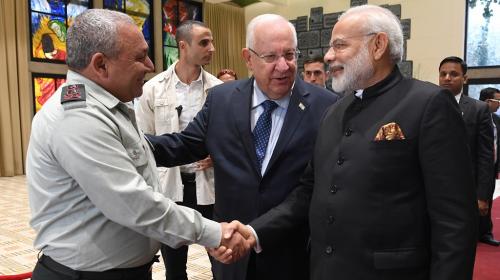
To truly be a transformational leader, Indian Prime Minister Narendra Modi will need to revise his country's playbook on trade, writes Atman Trivedi.

This week, Brazil’s election season is mired in controversy; the leaders of North and South Korea hold another summit; a second Brexit referendum is a possibility; and more.

China constitutes, for Mexico, an example and a challenge, a problem and a solution, all at the same time, writes Luis Rubio.

Enkutatash, the Ethiopian New Year on September 11, is a chance for Ethiopia and Eritrea to get a government they deserve, a government that is reflective of its people and their desire to be democratically sound, writes Lulit Tadesse.
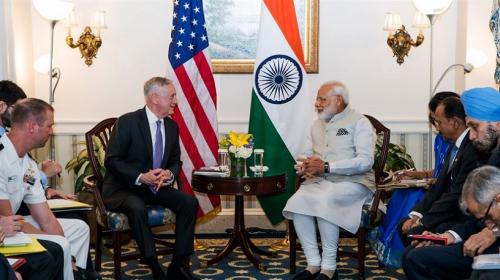
Harsh rhetoric and trade wars have tarnished a once-promising relationship, write Atman Trivedi and Aparna Pande.