August 24, 2018
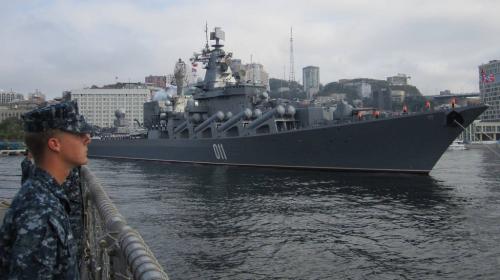
This week, Russia announces largest war games since the Cold War; NAFTA talks reportedly near completion; Korean families reunite; and more.


This week, Russia announces largest war games since the Cold War; NAFTA talks reportedly near completion; Korean families reunite; and more.
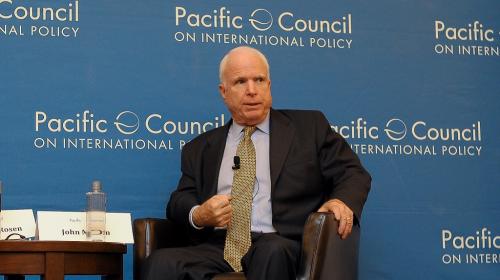
Today we honor the memory of Senator McCain for his dedication to keeping the United States actively and thoughtfully engaged in the world, writes Jerrold D. Green.
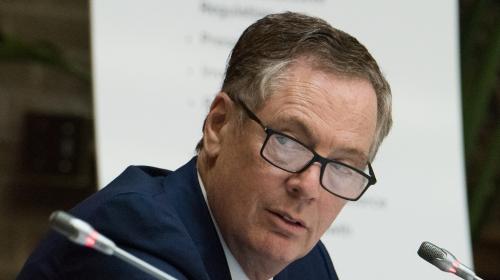
Robert Lighthizer
NAFTA talks gained a new momentum in recent weeks following the election of Andrés Manuel López Obrador and Mexico’s willingness to negotiate bilaterally with the United States, writes Michael Camuñez.
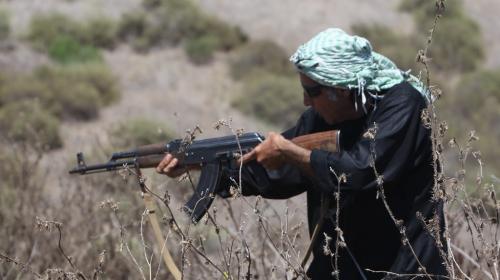
This week, the Taliban kills dozens in Afghanistan; Turkey turns to Russia amidst a currency crisis; Ebola outbreak in Congo worries officials; and more.
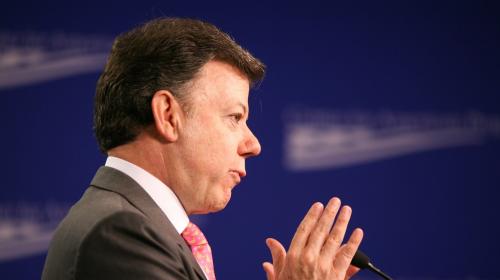
Juan Manuel Santos
The temptation to imitate the Colombian process to pacify one’s country is immense, but Colombia's circumstances bear no resemblance to Mexico's, writes Luis Rubio.
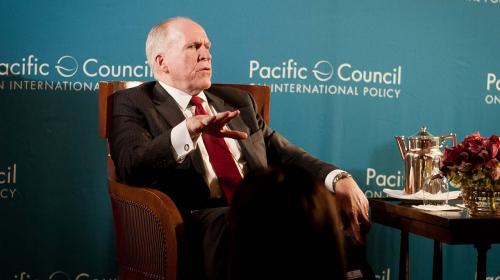
John Brennan’s service to this country has proven him to be a good and honorable man, writes Thomas Zimmerman. The president and his team should ask themselves if history will judge them as kindly.
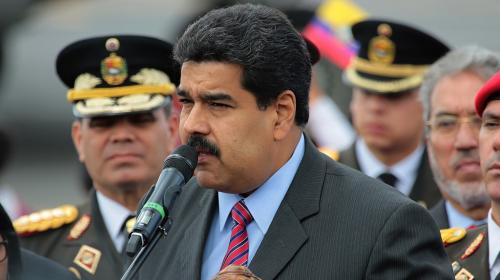
This week, Venezuela makes arrests in Maduro assassination attempt; Germany and Spain come to an agreement on refugees; Ethiopia shuts down internet access; and more.
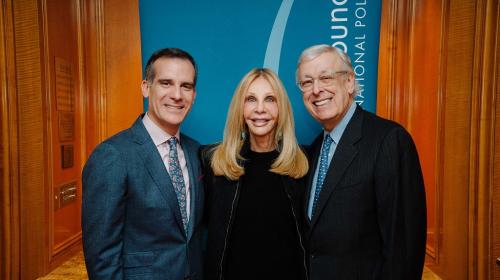
Pacific Council members Marc and Jane Nathanson received an award from the Aspen Institute Socrates Program to recognize their longtime support of the Aspen Institute and the creation of the Nathanson Public Diplomacy Scholarship.
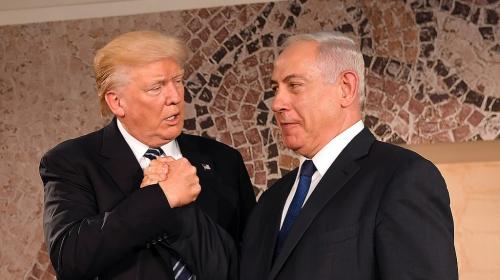
The Trump administration has given new meaning to partnerships, deals, negotiations, treaties, understandings, covenants, and indeed all of international relations, write Madison Jones and Justin Chapman. What does this mean for the future of international affairs?
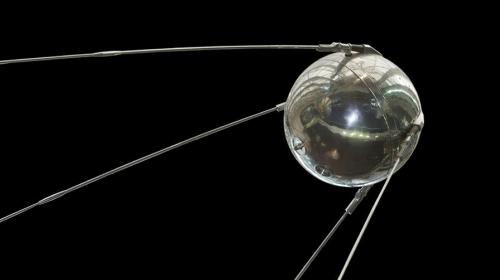
Sputnik
In drawing from real international conflicts, George Lucas aimed to show how those political deliberations affected society and individuals through his Star Wars films.