September 28, 2016
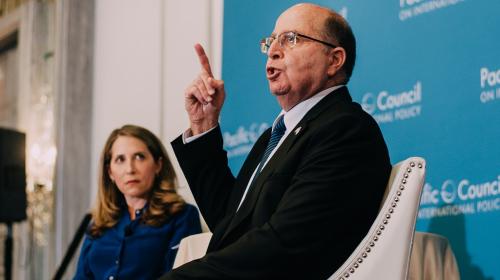
Former Israeli defense minister Moshe Ya'alon discusses Israel's defense policies with Pacific Council members.


Former Israeli defense minister Moshe Ya'alon discusses Israel's defense policies with Pacific Council members.
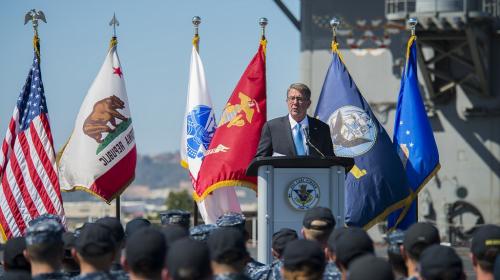
U.S. Defense Secretary Ashton B. Carter delivered an address to U.S. Navy sailors, Pacific Council members, and others onboard the aircraft carrier USS Carl Vinson in San Diego about the future of the Asia-Pacific.
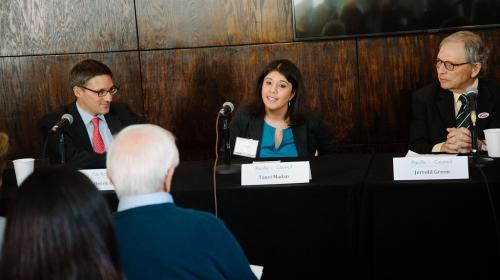
Members Weekend was filled with discussions ranging from the refugee crisis and California's drought to Zika and North Korea's nuclear future. Read the notable insights!
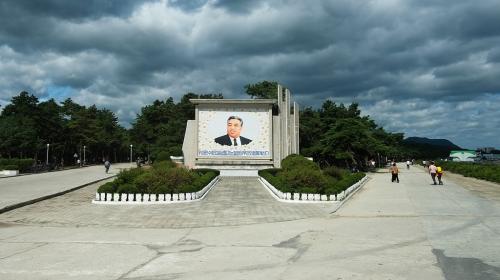
The United States cannot rely on China to intervene in North Korea’s nuclear program, Dr. David Kang and Dr. James Person told Pacific Council members.
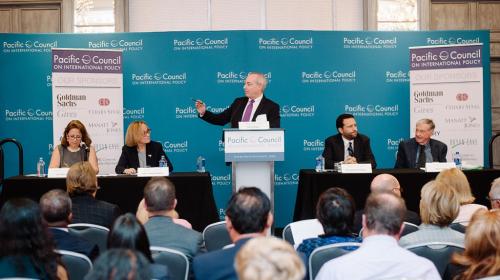
Panelists of the penultimate plenary debate session of Members Weekend 2016 sought to answer the question, "Should the United States take a step back from the world?"
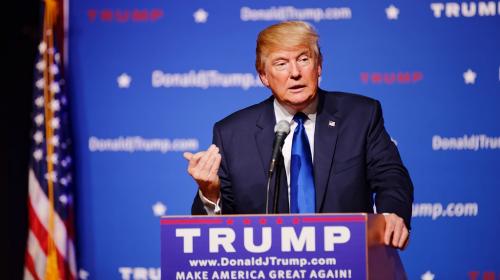
President-elect Donald J. Trump should focus on his administration’s transition rather than rushing to get everything on his foreign policy agenda done in the first 100 days, Dr. Elizabeth N. Saunders and Dr. Kori Schake told Pacific Council members in two Situation Briefings.
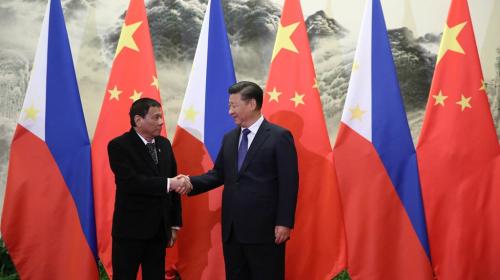
Ms. Shihoko Goto and Dr. Robert S. Ross discuss Philippines President Duterte's efforts to rebalance relations with China and the United States.
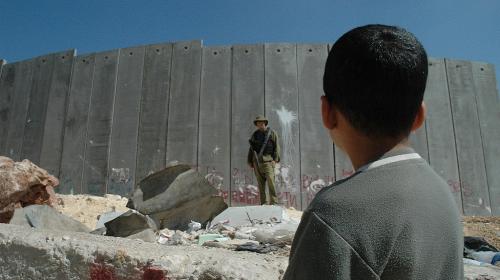
The Honorable George Mitchell discussed his latest book about the Israeli-Palestinian conflict with Pacific Council members.
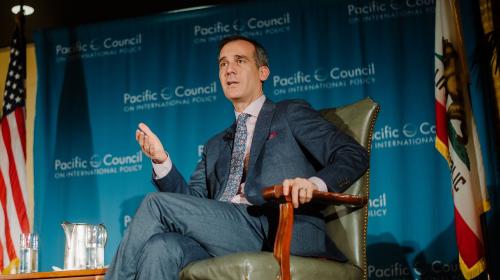
Los Angeles needs to assert itself as a role model for the world in this Pacific Century, L.A. Mayor Eric Garcetti told Pacific Council members in his inaugural State of the Global City address.
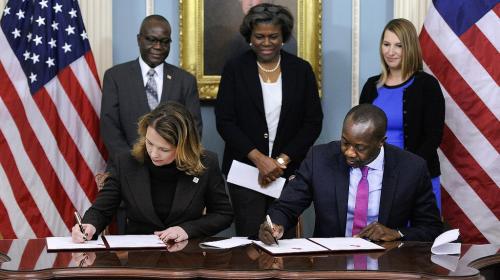
Development organizations must help support countries who want to lead their own sustainable development efforts, Dana J. Hyde told Pacific Council members during a discussion on how innovative approaches to delivering U.S. foreign assistance can aid the global fight against poverty.