May 1, 2019
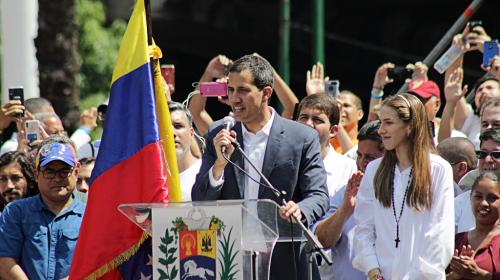
The United States should stand firm in the Western Hemisphere and assert its interests in Venezuela’s political outcome, writes Omar Qudrat.


The United States should stand firm in the Western Hemisphere and assert its interests in Venezuela’s political outcome, writes Omar Qudrat.
The Leaders of Tomorrow project connects LA high school girls to female mentors and leaders in foreign policy. The project is designed in three parts:
The Pacific Council’s webinars and trainings program provides opportunities for members to enhance their professional development skills.

The binational community of El Paso and Juárez offers unique perspectives on art and immigration, writes Aaron Brooks.

Just as the U.S. digital copyright law inspired Europe to adopt safe harbors for online companies in the earliest days of the internet, Europe’s new copyright law may inspire Washington to rethink how and how much creative professionals are paid—including by social media titans—in a vastly different and richer digital economy, writes Justin Hughes in the Los Angeles Times.

Options are dwindling and time is running out for the United Kingdom to negotiate a deal to leave the European Union, experts told Pacific Council members in a teleconference on Brexit.
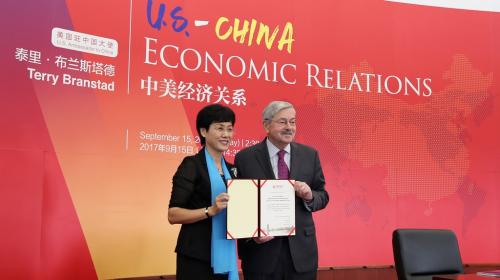
U.S. policy toward China should strongly emphasize pressure and deterrence, while acting multilaterally rather than unilaterally, experts said in the second installment of the Edgerton Series on Responding to a Rising China.
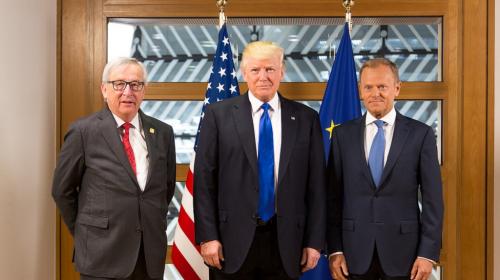
While the United States and the European Union have disagreements about trade policy and business practices, they remain committed to partnership when it comes to security, U.S. Ambassador to the E.U. Gordon Sondland told Pacific Council members.

Less than a month after a gunman killed 50 people at two mosques in New Zealand's deadliest mass shooting, the type of weapons used by the gunman are now banned under dramatic new legislation that has effectively rebuilt New Zealand’s gun laws overnight, reports Pacific Council member Ani Ucar and Andrew Potter for Vice News.

The Pacific Council has published our 2018 annual report, which tells the story of our impact over the past year—and yours.