May 21, 2019
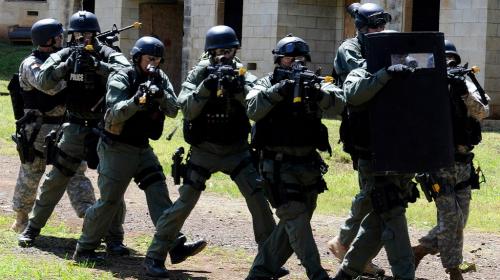
Hostage victims abroad and their families back home face a myriad of challenges during and after their harrowing ordeals, Rachel Briggs and Michael Scott Moore of Hostage US told Pacific Council members.


Hostage victims abroad and their families back home face a myriad of challenges during and after their harrowing ordeals, Rachel Briggs and Michael Scott Moore of Hostage US told Pacific Council members.
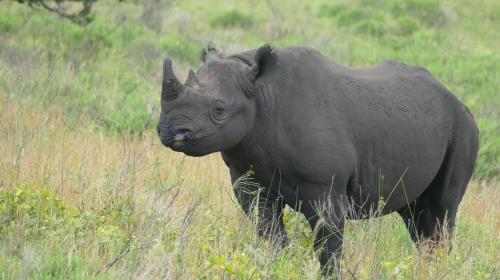
A new report by Pacific Council member Kathi Lynn Austin of the Conflict Awareness Project, Follow the Guns: An Overlooked Key to Combat Rhino Poaching and Wildlife Crime, demonstrates that disrupting the supply of weapons used in wildlife crime worldwide is a much-needed—and often overlooked—conservation tool.
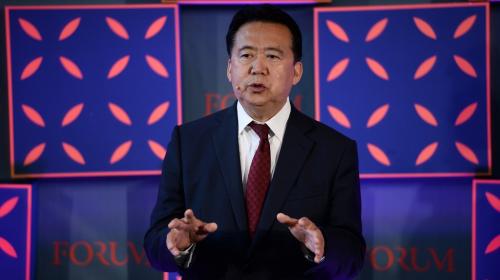
Meng Hongwei, by D Greene
Foreign businesses willing to support the hard work of advocating and protesting for long-term human rights reforms in the Chinese legal system would be making a smart business investment, writes Kimberly Marteau Emerson.
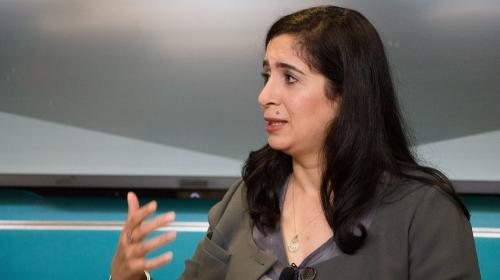
Read an excerpt from Souad Mekhennet’s book I Was Told to Come Alone: My Journey Behind the Lines of Jihad ahead of her keynote address at the Global LA Summit.
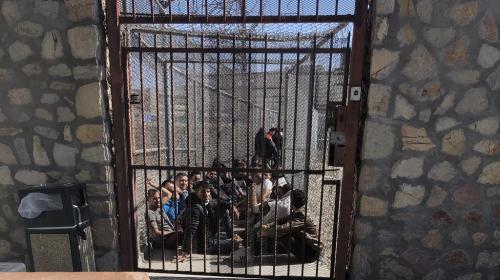
An unprecedented surge in family unit migration from Central America is overwhelming U.S. border agencies and immigration system and endangering children, according to a report by the Homeland Security Advisory Council authored by Robert C. Bonner, James R. Jones, and Karen Tandy.
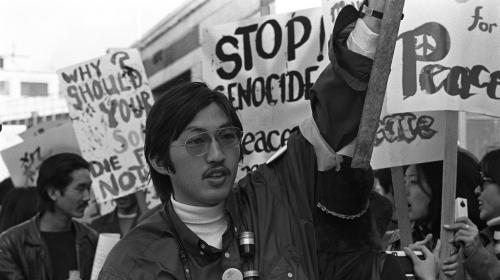
Robert A. Nakamura
During the Vietnam War, Asian Americans were identified as both adversary and citizen, leading to an examination during the war from an Asian American perspective which in turn strengthened the formation of a distinct political identity, writes Karen Ishizuka ahead of the Global LA Summit.

The Trump administration’s about-face on Libya leaves few options in the face of a dramatic escalation of violence, write Mieczysław P. Boduszyński and Christopher K. Lamont in the Washington Post.
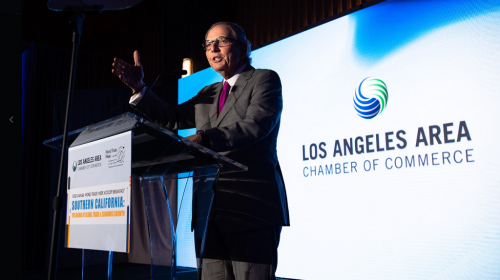
On Thursday, May 2, Pacific Council President and CEO Jerry Green accepted the Stanley T. Olafson Bronze Plaque Award at the 2019 World Trade Week Kick-off Breakfast in Downtown LA. Presented by the Los Angeles Area Chamber of Commerce since 1933, the award honors a member of the international trade community whose outstanding dedication, efforts, and achievements in the field have advanced global trade in the Southern California region.

Pacific Council members recently visited the Los Angeles Times headquarters and met with senior editorial officials.