November 10, 2017
With the COP23 Climate Summit now underway in Bonn, Germany, Pacific Council member Jesse Medlong lays out the major themes that observers can expect to see play out at the conference.


With the COP23 Climate Summit now underway in Bonn, Germany, Pacific Council member Jesse Medlong lays out the major themes that observers can expect to see play out at the conference.
Pacific Council member DJ Peterson recently returned from the Gulf and offers his thoughts on recent developments in the region in this dispatch.
Water stress and conflict in a number of fragile states in the Middle East and Africa are becoming more visible and carry worldwide implications, writes Marcus DuBois King.
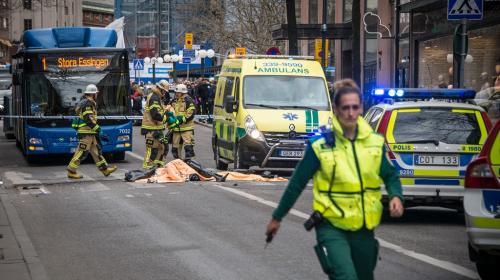
This week, the terror attack in New York draws attention to the spread of ISIL and the growth of religious extremism in central Asia; New Zealand announces visa proposal for climate refugees; South Korea and China resume normal relations after yearlong THAAD tension; and more.
Achieving the Trump administration's goal of revamping trade agreements to strengthen U.S. manufacturing and commodities will require implementing an ambitious agenda for revolutionary digital technologies essential to sustaining high value-added manufacturing and commodity production, writes Peter F. Cowhey.
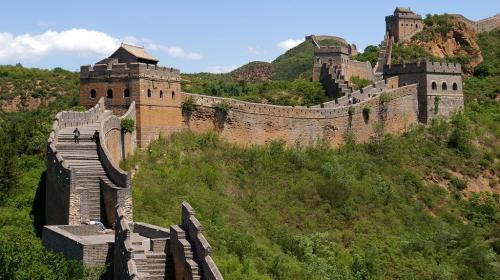
China’s economic and military power continue to grow, as does its international influence as U.S. influence wanes. But the country also faces enormous challenges, writes Ira Kasoff.
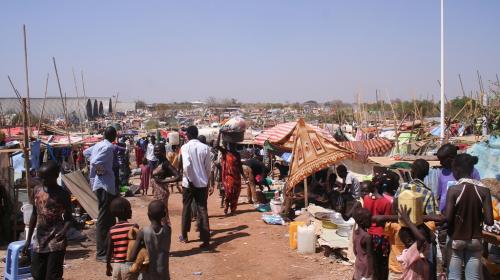
This week, U.S. Ambassador to the UN Nikki Haley is evacuated from South Sudan due to protests; Xi Jinping solidifies his power during China's 19th Communist Party Congress; Spain and Iraq move to suppress Catalonia’s and Kurdistan’s independence movements; and more.
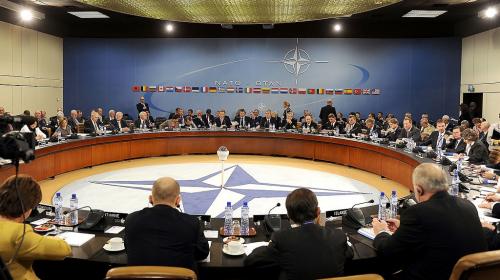
It is critical to maintain communication and collaboration at all levels of the U.S. and Russian societies, particularly during this period of high tension between the two countries, writes Sharyl Cross.
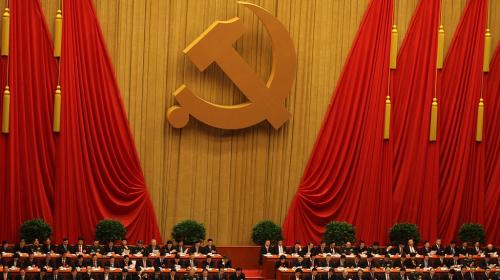
This week, President Xi Jinping expands his power at China’s 19th Communist Party Congress; U.S.-backed Syrian forces reclaim about 90 percent of ISIL’s capital city of Raqqa; more than 270 people are killed by truck bombs in downtown Mogadishu; and more.
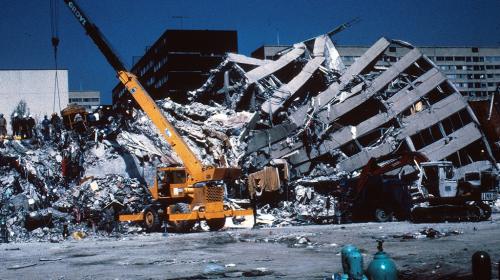
Mexico's 1985 earthquake
Much has changed in Mexico in the time between the 1985 and 2017 earthquakes, writes Agustín Barrios Gómez, both in terms of emergency response and in strengthening Mexico's democracy.