June 3, 2016
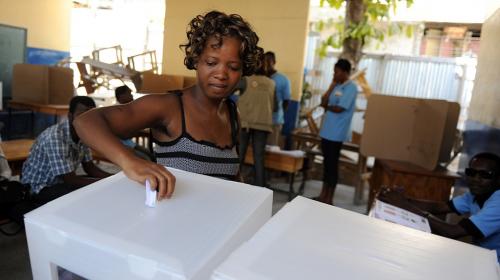
This week on Global Beat: Haiti gets ready for a new presidential election; a new report claims there are nearly 46 million slaves worldwide; the former president of Chad was convicted of crimes against humanity; and more.


This week on Global Beat: Haiti gets ready for a new presidential election; a new report claims there are nearly 46 million slaves worldwide; the former president of Chad was convicted of crimes against humanity; and more.
European Commission
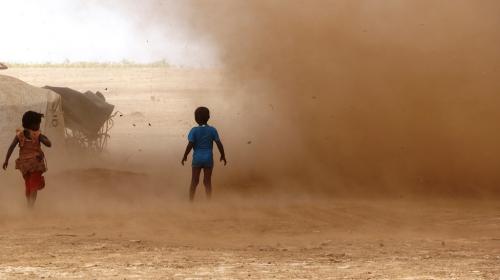
This week on Global Beat: several southern African nations declare states of emergency due to severe drought; Colombia’s FARC rebels agree to free their child soldiers; rising seas due to climate change threaten islands in the Pacific; and more.
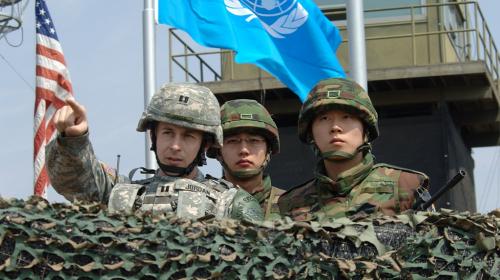
This week, tensions between the United States and North Korea reach a fever pitch; the United States expels two Cuban diplomats following an "acoustic attack"; Israel moves to ban Al Jazeera; and more.
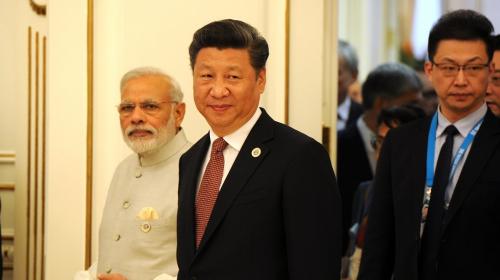
Given current tensions between China and India, New Delhi’s inclusion to the regional economic and security organization will cause headaches for Beijing, writes Derek Grossman.

As a primer for learning about water scarcity and its influence on national, human, and economic security, Pacific Council members explored a desalination plant and a water pollution control facility in Southern California to answer the questions: where does my water come from? And where does it go?
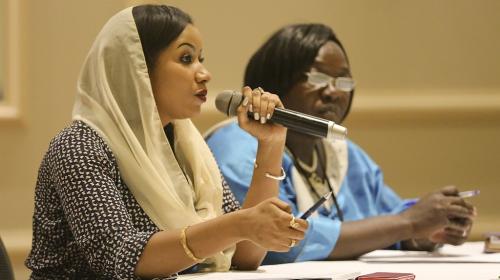
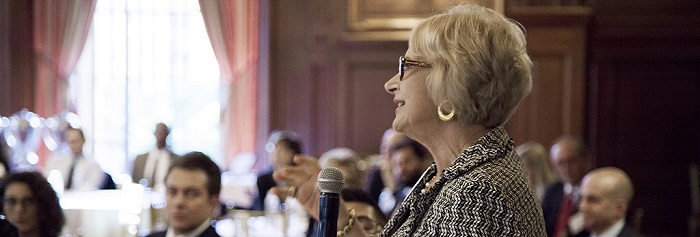
A cultural shift is needed to address the lack of women’s leadership across every industry in the United States, write Ambassador Nina Hachigian and Julianne Smith, and it's men who need to show the way.
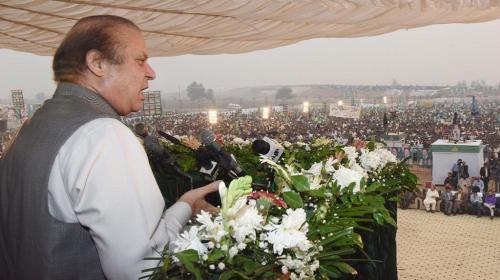
This week, Nawaz Sharif resigns as prime minister of Pakistan after being disqualified by the country’s Supreme Court in a Panama Papers-related corruption probe; President Trump signs the Russia sanctions bill but calls it "unconstitutional"; the U.S. government imposes sanctions on Venezuelan President Nicolás Maduro; and more.
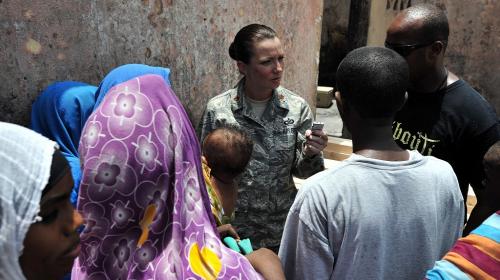
USAFRICOM
On U.S.-Africa policy, Congress must continue defending foreign assistance that supports development in African countries, expand the financing and insurance tools that American companies need to compete with foreign companies in Africa, and insist on good governance abroad and at home, writes Grant Harris.
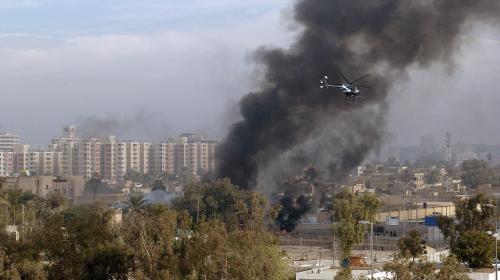
Blackwater Security Co.
The Trump administration should think twice before considering the seemingly easy option of dispatching unaccountable private security contractors, writes Jon D. Michaels.
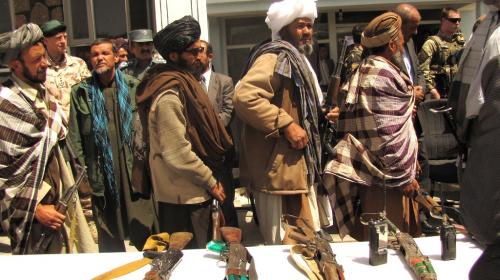
This week, new footage suggests the Russian government may be arming Taliban militants in Afghanistan; French President Emmanuel Macron gets Libya’s two main rivals to agree to a ceasefire; a U.S. Navy surveillance plane is intercepted by two Chinese fighter jets over the East China Sea; and more.